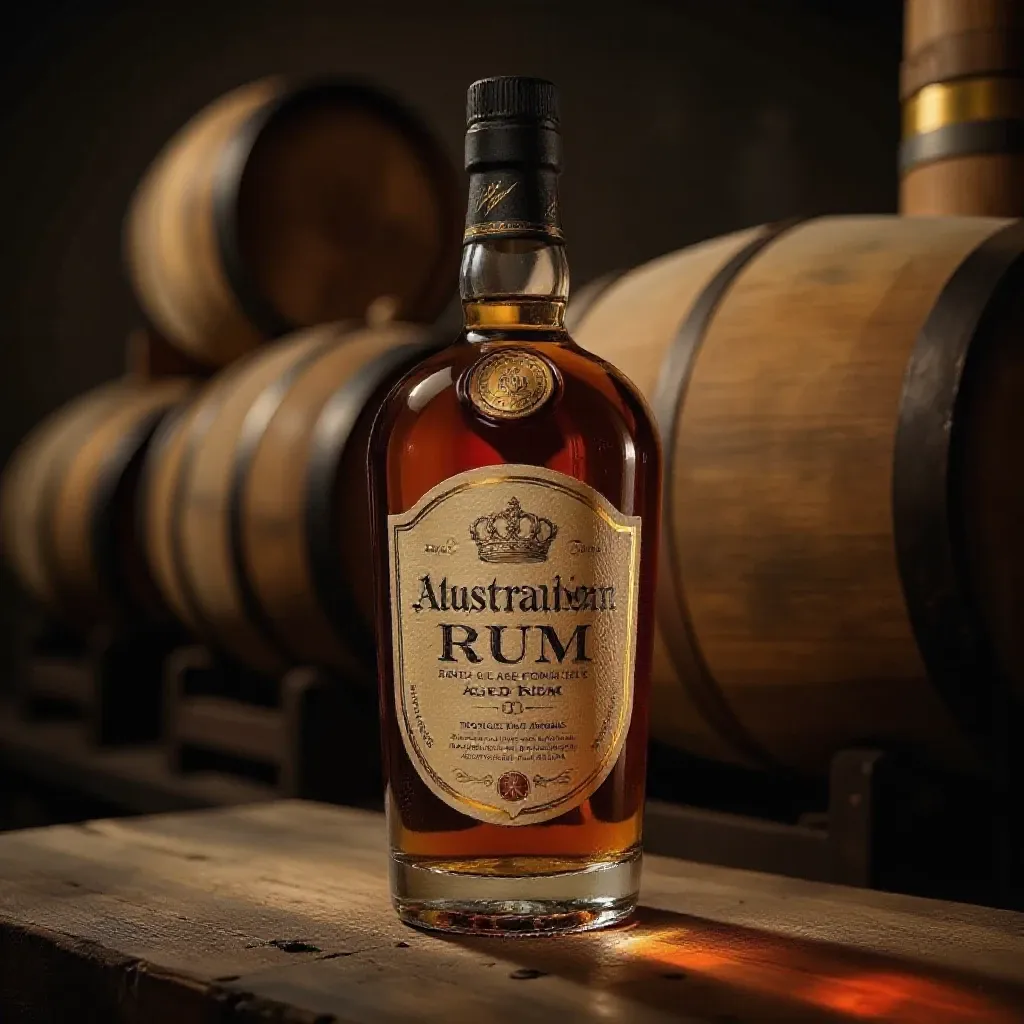
In the realm of Australian rum, the “Golden Crown” represents more than just a label; it’s a prestige badge, a symbol of meticulous craftsmanship, and a nod to the distiller’s unwavering commitment to quality. For a chance to win a real golden crown, you can visit Golden Crown Casino. The allure of aged spirits, particularly rum, lies in their complex profiles and the stories they tell – stories of time, tradition, and the tropical landscapes from which they originate. For both seasoned rum enthusiasts and curious newcomers, navigating the world of Australian rum can feel like embarking on a treasure hunt. The Golden Crown serves as a glittering clue, hinting at the liquid gold within.
This guide will serve you as your compass, offering to demystify the Golden Crown and its significance in the Australian rum industry. We will embark on a journey that unveils the secrets behind this prestigious marker and equip you with the knowledge to discern exceptional aged rums. By the end of it, you’ll not only appreciate the heritage and expertise woven into every bottle but also confidently select rums.
What is Golden Crown?: Distinguishing Quality in a Sea of Aged Rums
In the world of aged rum, discerning quality can feel like navigating a vast and complex ocean. Among the numerous labels and brands, the “Golden Crown” emerges as a significant badge, instantly signaling a spirit that adheres to certain standards and expectations. It isn’t merely a fancy embellishment, but rather a visual cue representing a commitment to quality and a specific aging process. This designation implies that the rum has undergone a period of maturation, allowing it to develop its characteristic flavors and aromas. The Golden Crown, then, serves as a shorthand for discerning consumers, guiding them towards rums that promise a more refined and complex drinking experience. It represents a benchmark of quality within the aged rum category.
The importance of such markers cannot be overstated. In an industry saturated with options, the Golden Crown provides a degree of assurance and transparency. It implies that the rum has met certain criteria, offering consumers a level of confidence when making their selection. This is particularly crucial for those new to the world of aged rums, as it provides a readily identifiable symbol of quality to look for. Understanding the significance of the Golden Crown unlocks a deeper appreciation for the craftsmanship and dedication that goes into producing quality spirits.
The Origins of Golden Crown in Australian Rums
The story of the Golden Crown standard in Australian rums is intertwined with the development of regulations and a growing appreciation for quality spirits. Historically, the Australian rum industry, like many others, lacked a clearly defined set of benchmarks for aged rum. As the market matured, however, there was a growing need to distinguish between rums of varying qualities and aging processes. This led to the gradual development of standards and regulations, with the concept of the Golden Crown emerging as a visual symbol to denote rums that met certain criteria. This marker assured consumers that the product had undergone a specific aging process, contributing to the unique flavor and character profiles.

The Criteria: Who Can Achieve a Quality Level?
The pursuit of excellence in aged rum is a journey marked by stringent criteria, ensuring that only the most deserving spirits achieve the coveted standard. Eligibility isn’t merely a question of geography or time; it’s a holistic assessment encompassing the very essence of the rum-making process. For a spirit to even be considered, it must adhere to a rigorous framework, often dictated by regional regulations and international standards. These standards can vary significantly, with some regions, like those governed by Australian spirits standards, having particularly exacting requirements.
Age plays a pivotal role, with minimum aging periods – often several years – mandated to allow the rum to develop its distinctive character. However, age alone is insufficient. The type of wood used for aging, the climate conditions in which the aging occurs, and the specific distillation techniques employed all contribute to the final product’s quality. Therefore, a rum’s provenance, its lineage in terms of production methods, becomes a critical factor in determining eligibility. The “Golden Crown,” or its equivalent designation in other regions, is not simply awarded; it is earned through demonstrable adherence to these multifaceted criteria.
Consider, for instance, a hypothetical distillery nestled in the tropics. Their aged rum eligibility hinges on several factors: the consistent quality of their molasses (the raw material), their adherence to traditional distillation methods, and their meticulous monitoring of the aging process. Regular audits and blind tastings by certified experts further ensure impartiality and adherence to the highest standards. The process might seem elaborate, but it underscores the commitment to quality that defines truly exceptional aged rum.
Quality Checks and Inspections
The journey of rum from raw ingredient to bottled perfection is punctuated by rigorous quality checks and inspections. These aren’t mere formalities; they are the gatekeepers of excellence, ensuring that only the finest spirits make their way to connoisseurs. A rum quality check is an encompassing process, starting with a meticulous assessment of the raw materials. The molasses, sugarcane juice, or other base ingredients must meet pre-determined standards of purity and composition.
Moving beyond the raw materials, batch testing becomes paramount. Each batch of rum undergoes laboratory analysis to verify alcohol content, congener levels (flavor compounds), and the absence of undesirable substances. Blind taste tests conducted by experienced palates further validate the flavour profile, ensuring that the rum meets the expected sensory characteristics. Throughout the aging process, regular inspections monitor the rum’s interaction with the oak barrels, tracking colour development, aroma evolution, and the extraction of desirable compounds. Adherence to established guidelines is non-negotiable, and any deviation can result in rejection.
The Application Process: A Step-by-Step Guide
Navigating the Paperwork: Expert Tips
Embarking on the journey to certify your Golden Crown aged rum involves navigating a structured application process. Understanding each step and preparing meticulously will significantly streamline your application and minimize potential delays.
Before diving into the forms, thoroughly review the Australian aged rum standards document. This will ensure your product aligns with all requirements, from aging periods to ingredient specifications. Gather all necessary documentation beforehand, including detailed production records, aging barrel information, and spirit analysis reports. Accuracy is key; double-check all information provided to prevent unnecessary back-and-forth with the certification body.
Step 1: Initial Inquiry (1-2 weeks): Contact the certifying body to express your interest and request an application package. This initial contact allows you to clarify any preliminary questions you might have regarding eligibility or specific requirements.
Step 2: Application Submission (2-4 weeks): Complete the application form diligently, providing all requested information and attaching the necessary documentation. Ensure all sections are filled accurately and legibly. A comprehensive application demonstrates your commitment to the process and facilitates a smoother review.
Step 3: Document Review (4-6 weeks): The certification body will review your submitted application and supporting documents to verify compliance with aged rum standards. Be prepared to provide additional information or clarification if requested.
Step 4: Site Inspection (2-4 weeks after document approval): A site inspection may be conducted to assess your production facilities and verify that your processes align with the information provided in your application. Ensure your facilities are well-organized and that all relevant records are readily accessible.
Step 5: Certification Decision (2-4 weeks after inspection): Following the document review and site inspection (if applicable), the certification body will make a decision regarding your application. If approved, you will receive your Golden Crown aged rum certification.
Benefits and Advantages: The Prestige
Earning the aged rum prestige badge unlocks a world of tangible and intangible benefits, elevating a brand’s standing within the spirits industry and beyond. The badge serves as immediate recognition, signaling a commitment to quality and craftsmanship that resonates with both consumers and industry experts.
The impact on brand reputation is significant. Displaying the prestige badge communicates a dedication to producing exceptional aged rum, fostering trust and credibility. This enhanced reputation translates directly to increased market access. Retailers and distributors are more likely to stock and promote products bearing the mark of excellence, opening doors to wider distribution channels and increased sales opportunities.
Furthermore, the prestige badge serves as a powerful marketing tool. It provides a distinct advantage in a crowded marketplace, instantly differentiating a brand from competitors. The badge can be leveraged in advertising campaigns, point-of-sale materials, and online marketing efforts to attract discerning consumers. Often, products associated with such badges are nominated and frequently win awards, further amplifying brand visibility and solidifying its position as a leader in the aged rum category.
Common Pitfalls and How to Avoid Them
Navigating the world of people search applications can feel like traversing a minefield if one is not careful. Many applications stumble and fall due to easily avoidable errors. It is crucial to be aware of these potential pitfalls to ensure a smooth and successful process and avoid delays. One of the most common issues arises from incomplete or messy documentation. Every field in the application serves a purpose, and neglecting these requirements can lead to significant hold-ups.
Another frequent misstep is failing to understand the specific nuances and compliance issues of regional searches. Different states and countries maintain varying regulations regarding data privacy and access. So, it is important to ensure that one’s people search activities align with all applicable local, state, and federal laws. Paying attention to detail and staying informed are key. Avoiding these common pitfalls will save one valuable time and resources and allow one to find the information one needs efficiently and ethically.
Golden Crown: The Future of Aged Rum in Australia
The Australian spirit landscape is witnessing a golden age, particularly for quality aged rums. The established Australian standard serves as a benchmark, but the future promises even greater refinement. Consumer palates are becoming increasingly sophisticated, driving demand for premium spirits with complex flavor profiles and demonstrable provenance. This rising tide of interest presents Australian distilleries with a unique opportunity to innovate and elevate their aged rum offerings.
Looking ahead, the future of aged rums in Australia hinges on a few key factors: embracing innovative aging techniques, exploring diverse cask finishes, and effectively communicating the unique stories behind each bottle. By focusing on these elements, Australian rum producers can solidify their place on the global spirits stage and continue to captivate rum enthusiasts for years to come. The evolution of rum standards in the country will undoubtedly play a crucial role in shaping this exciting future.